
Every November the same message arrives. A company wants forty gift boxes for its staff, a mix of your products, delivered before the office party. Then the online orders start for Christmas boxes, a few people ask for one with no nuts, and the cardboard you ordered is still somewhere on a lorry.
Gift boxes are some of the best orders a small producer can get. They are bigger than a single jar or bag, people buy them for others, and the person who receives one often comes back to buy for themselves. They are also easy to get wrong if you treat them as an afterthought. Here is how we would plan them.
1. Keep the range small
It is tempting to offer ten different boxes. Three is usually plenty: a small one, a medium one and a generous one, each with a clear idea behind it. A breakfast box, a cheese board box, a taste of everything. Each box should use products you already make in good quantity, so a sudden order for fifty does not depend on a flavour you only make twice a year.
Decide what is fixed and what can change. If one product runs out, can you swap it for something similar of the same value? Write that on the shop page in one line, so customers know the box may vary slightly, and you are not stuck when a batch sells out.

2. Price the whole box, not just the food
A gift box costs more than the products inside it. There is the box itself, the filling, the ribbon or sticker, the card, the extra time to pack it nicely and often heavier postage. Add these up once for each box, honestly, including your time. A box that sells well but earns less than selling the same jars one by one is not doing its job.
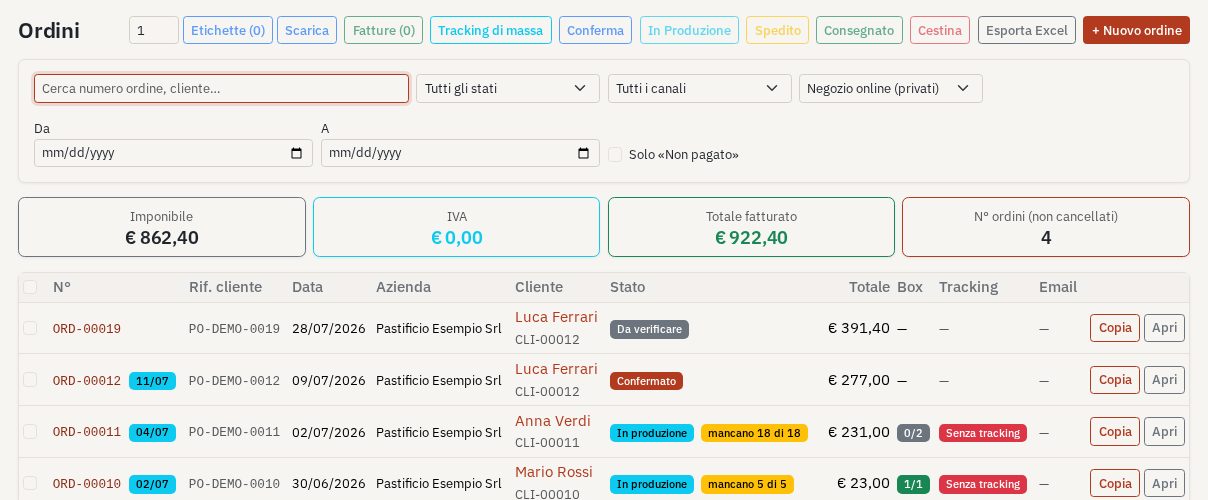
For company orders, agree the details in writing before you start: how many boxes, what is inside, the price per box, the delivery date and address, whether each box needs a personal card, and when you will be paid. Ask for part of the payment up front on large orders. It is normal, and it protects you if the order is cancelled after you have bought the packaging.
3. Count the products inside every box
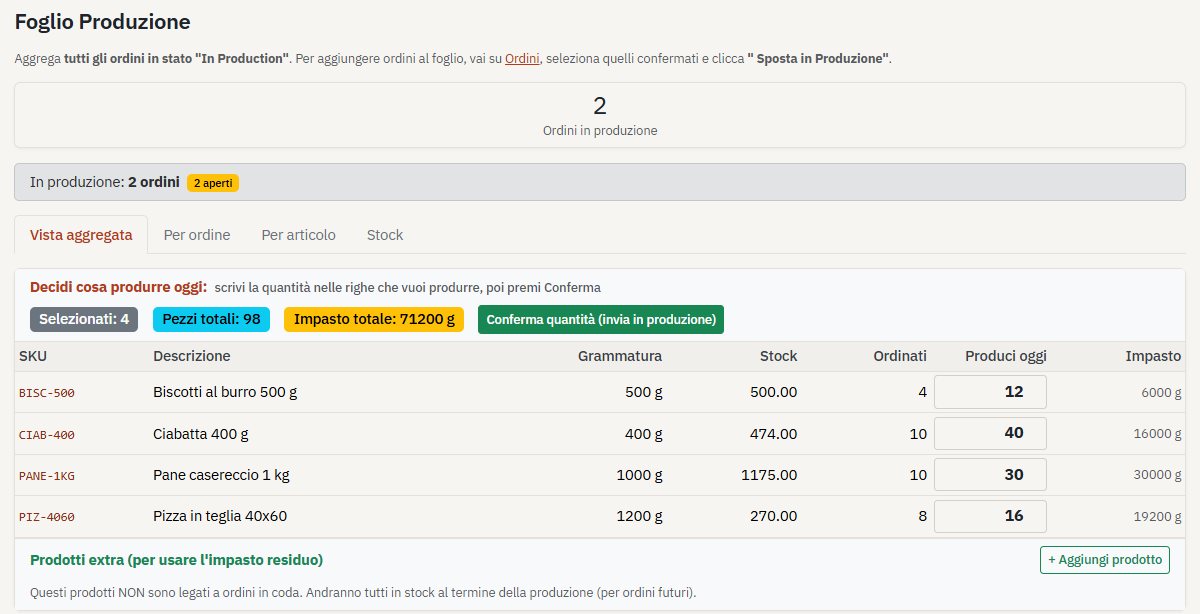
The hidden trap with gift boxes is stock. A box is really three or five products leaving the shelf at once. If you sell forty boxes, you need forty of each item inside, plus whatever you sell on its own at the same time. It is easy to sell boxes in the online shop while the jars they need have already gone to a shop order.
So treat each box as a recipe: this box takes one jam, one chutney and one bag of biscuits. When a box is ordered, take the products out of your stock straight away, not when you pack it. Check before the busy weeks that you have enough of every item for the boxes you expect, and make the long-life products first. Keep the batch numbers of what went into each box too. If a customer has a question about one jar, you will know which batch it was.
4. Plan the packing days and the last order date
Gift boxes are packed, not just picked. Set aside proper packing days, with the boxes, filling and cards ready on the table, and pack in groups: all the small boxes, then all the medium ones. It is faster and the boxes come out looking the same.
Work backwards from the date people need them. Allow for the post being slow in December, and put a clear last order date on the shop and in your emails. Once it has passed, close the box orders or switch them to delivery in January. After the season, look at which box sold best, who ordered for their company, and which customers came back on their own. Write to them next year before they have to ask.