
Every year it goes the same way. In October December still feels far off. By the second week of November the deli that buys a box a month wants six, someone asks for forty gift hampers for an office party, and the online shop has more orders on a Sunday night than it had in all of August. You end up making jam at eleven at night and writing labels on the kitchen table.
We can't make the season quieter. What we can do is move most of the decisions to early November, while there's still time to think, so that December is mostly about making and packing. Here is the plan we would follow.
1. Look at last year before you guess this year
The best forecast you have is what happened last time. Pull out last November and December: the orders, the invoices, even the bank statement if that's all there is. Write down which products sold, how many, and in which week. Most people find the same pattern. A slow start, a sharp rise around the first of December, and a last wave of panic orders in the week before the post stops.
Then ask your regular trade customers directly. A short message to each shop or cafe, "how many of the spiced chutney do you think you'll want for Christmas?", gives you numbers you can actually plan with. Some will say they don't know yet. That's fine, put down last year's figure plus a bit and tell them that's what you're holding for them.
If this is your first Christmas, start small. Pick the three or four products people already ask for and plan around those. A short list you can deliver beats a long one you can't.

2. Set your deadlines now and tell everyone
Deadlines are kinder than they sound. Decide the last day for trade orders, the last day for gift boxes with a personal note, and the last day for online orders that still arrive before the 25th. Check the courier's own Christmas dates first and give yourself two working days of margin on top.
Put the dates everywhere people will see them: the shop page, the footer of your emails, a sign on the market stall, a note in every box that goes out in November. Customers don't mind a deadline. What they mind is finding out about it on the 21st.
Think about deposits too. For large orders, like those forty hampers, a deposit or payment upfront protects you from the office that changes its mind on the 15th, when the ribbons are already tied.
3. Turn the orders into a production plan, week by week
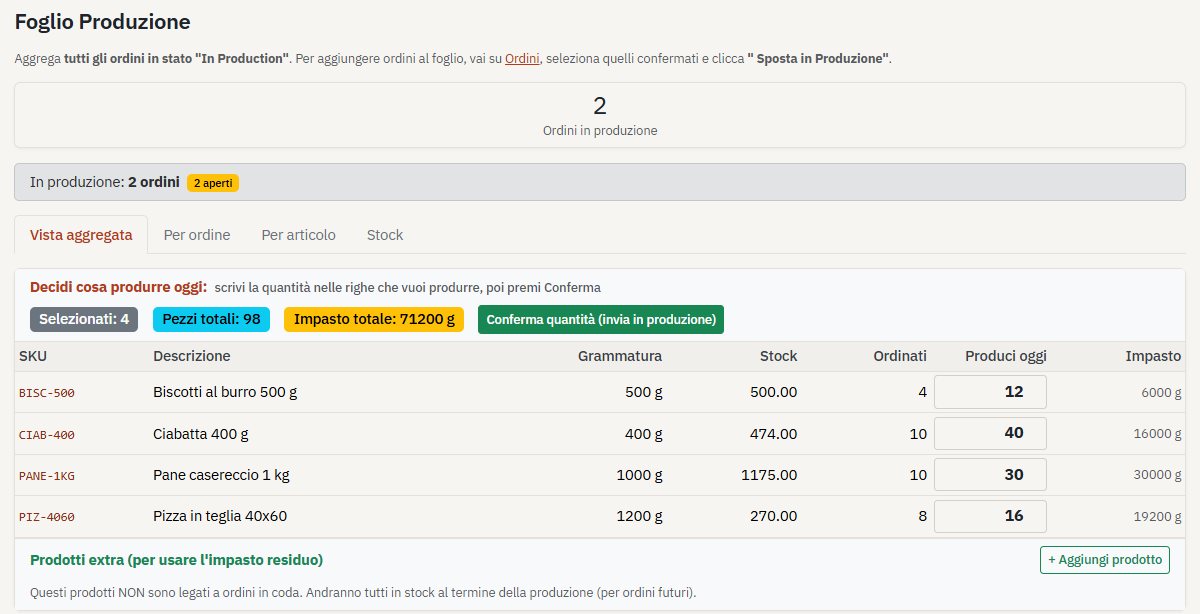
Once you have rough numbers, work backwards. If you need 600 jars of chutney by the 10th of December and you can make 150 in a good day, that's four production days, plus time for the jars to settle and be labelled. Put those days in the calendar now and protect them.
Make what keeps first. Jams, preserves, dry biscuits and anything with a long best-before date can be made early in November and stored. Things with a short life, fresh cakes or cheeses at their best, go as late as you safely can. Write the batch code and date on everything you make, because in the rush it's easy to lose track of which tray came first, and you want the oldest to go out first.
Order your supplies early as well. Jars, lids, gift boxes and labels are what run out in December, often at the supplier rather than in your store room. A month's extra packaging costs far less than a week with nothing to put the product in.
4. Pack in batches and keep one list of every order
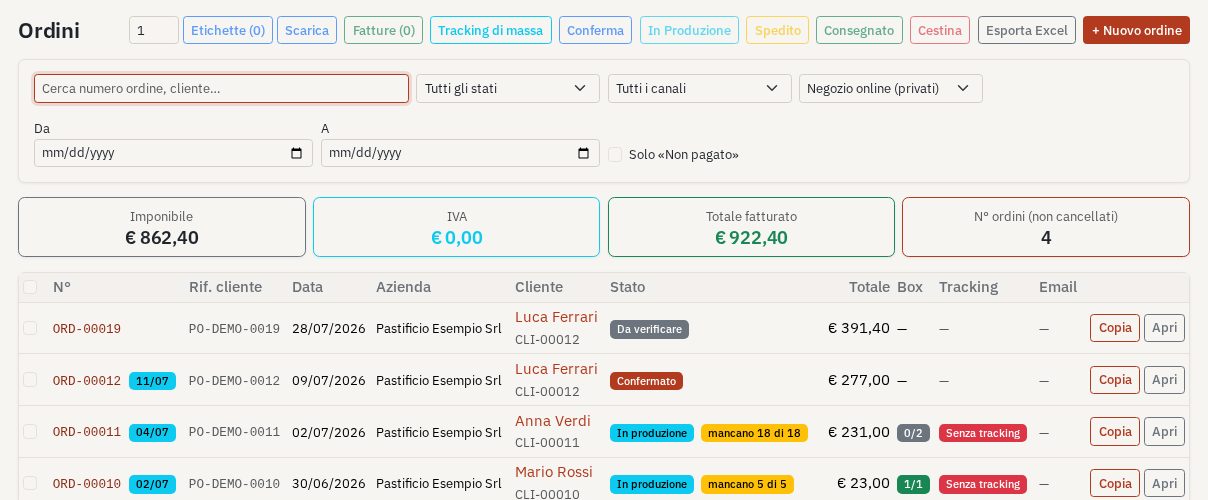
December goes wrong when orders live in five places: the email inbox, a WhatsApp chat, the shop, a note by the phone and someone's memory. Before the rush starts, decide that every order goes onto one list, whoever takes it and however it arrives. Each one gets a status, from received to packed to shipped, so anyone in the kitchen can see what's left to do.
Then pack in batches rather than one order at a time. Print the day's list in the morning, pick all the jars for all the orders, pack, and print the delivery notes together. Trade orders on one day, online orders on the next, if that suits your week. It's faster, and far fewer boxes go out with the wrong flavour in them.
Keep a small reserve of your best sellers for the late orders and the "I forgot my sister" calls. They always come. After the 25th, sit down for half an hour while it's fresh and write what went well and what didn't. That note becomes next year's step one, and you'll be glad of it in October. A notebook works for all of this, and so does a spreadsheet. When the order list gets long, a system that ties orders, batches and stock together does the counting for you, which is exactly the job you don't want to be doing at midnight in December.