
Most small beekeepers start selling the same way. A sign at the gate, a few jars at the farmers market, neighbours who come back every autumn. Then someone who moved away asks if you can post them a jar, and you realise you have more honey in the shed than the village can eat.
Selling online is the obvious next step. It is also where a lot of beekeepers get stuck, because a shop that sells honey well needs a few things a general shop doesn't. Here is what we would sort out first.
1. Check the rules before the first jar goes in the post
Honey is a food, so the usual food rules apply even if you only have twenty hives. In most countries that means registering with your local food authority, keeping the extraction room clean, and labelling the jar properly. The details change from country to country, so a phone call to your local council or food office is the right first move. They are usually more helpful than people expect.
The label normally needs the name of the product, the weight, your name and address, the country of origin, a best-before date and a batch or lot number. That last one matters more online than at the gate. If a buyer two hundred miles away has a question about a jar, the batch number on the lid is how you know which extraction it came from.
Keep a simple record of each batch: the date, which apiary or which hives, the floral source if you know it, and how many jars you filled. It takes five minutes after each extraction and saves hours later.

2. Write product pages that taste of the place
Online, nobody can dip a spoon in. Your page has to do the tasting for them. "Honey 340g" sells to nobody. "Late summer heather honey from the moor above our village, thick and a little bitter, the one people ask for on toast" sells, because it tells someone what they'll get.
Split your honeys if they are really different. Spring blossom, summer wildflower, heather, set and runny. Each one gets its own page, its own photo and a sentence or two about where the bees were and when. If a honey sells out for the year, say so on the page and say roughly when the next one comes. "Back in September" keeps the customer. A blank "out of stock" sends them to the supermarket.
Take your photos by a window, in daylight, with the jar held up so the light comes through the honey. Set honey looks good on a spoon. A real photo from your kitchen beats a perfect stock picture every time.
3. Pack the jars so they arrive in one piece
Glass and couriers don't get on. Before you sell a single jar online, send three or four to friends in different parts of the country and see how they arrive. It's the cheapest lesson you'll ever get.
A few things help a lot. Screw the lids on tight and add a shrink band or a strip of tape over the lid, because runny honey finds any gap. Wrap each jar on its own, then stand them upright in a box with no room to move. Moulded pulp or cardboard dividers do this better than loose filler. Put a short note on the outside that says glass, and use a box with a little more room than you think you need.
Work out the postage before you set your prices, not after. One jar in a box costs nearly as much to send as three, so a small bundle, three honeys from three seasons, often works better than single jars. It makes a good gift, too.
4. Keep track of batches and bring buyers back
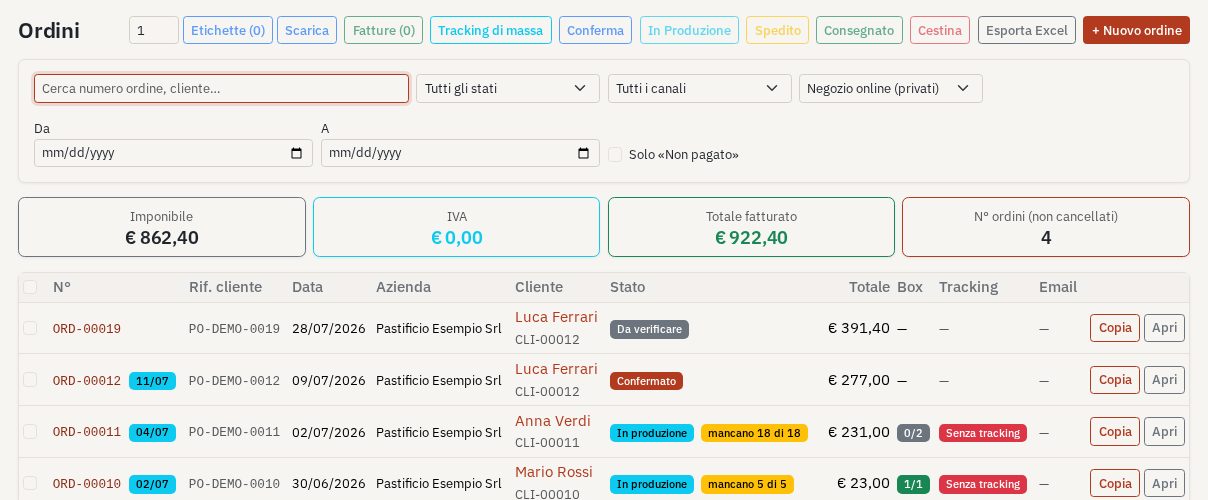
Once the shop is running, keep the stock honest. Each extraction becomes a batch with its own count of jars, and every sale, online or at the gate, comes off that count. That way the shop never sells a jar of heather honey you finished last week. When you pack an order, write the batch on the delivery note so you know which jars went to whom.
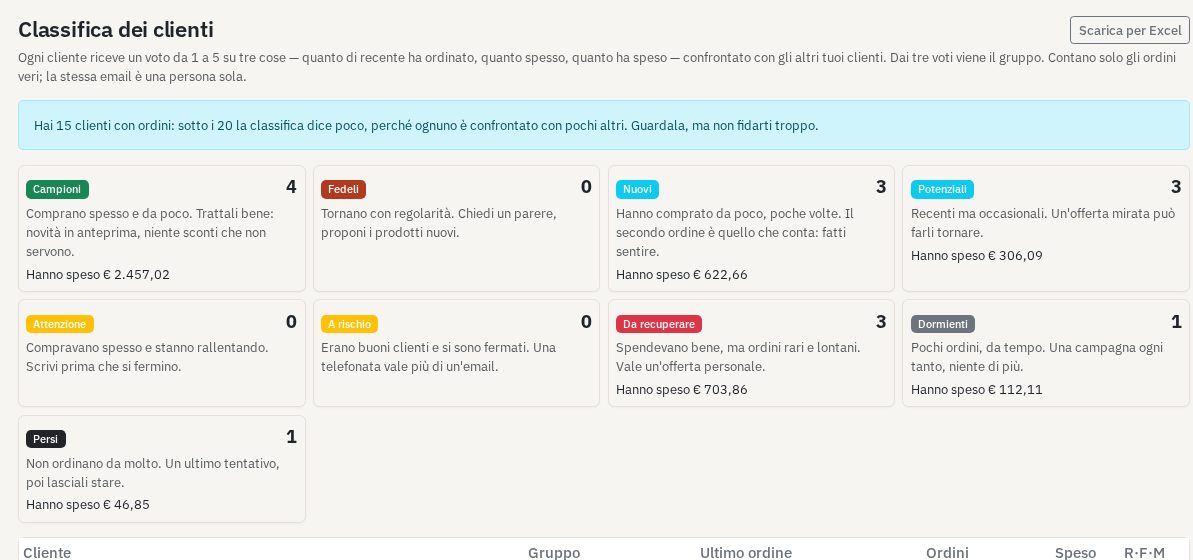
Honey has a season, and that's a gift for repeat sales. Keep a short list of people who bought, with their permission to write to them, and send one honest message when the new harvest is in. "The heather is in, it's darker than last year" is all it needs. Many of them will order again, and some will order for the whole family at Christmas.
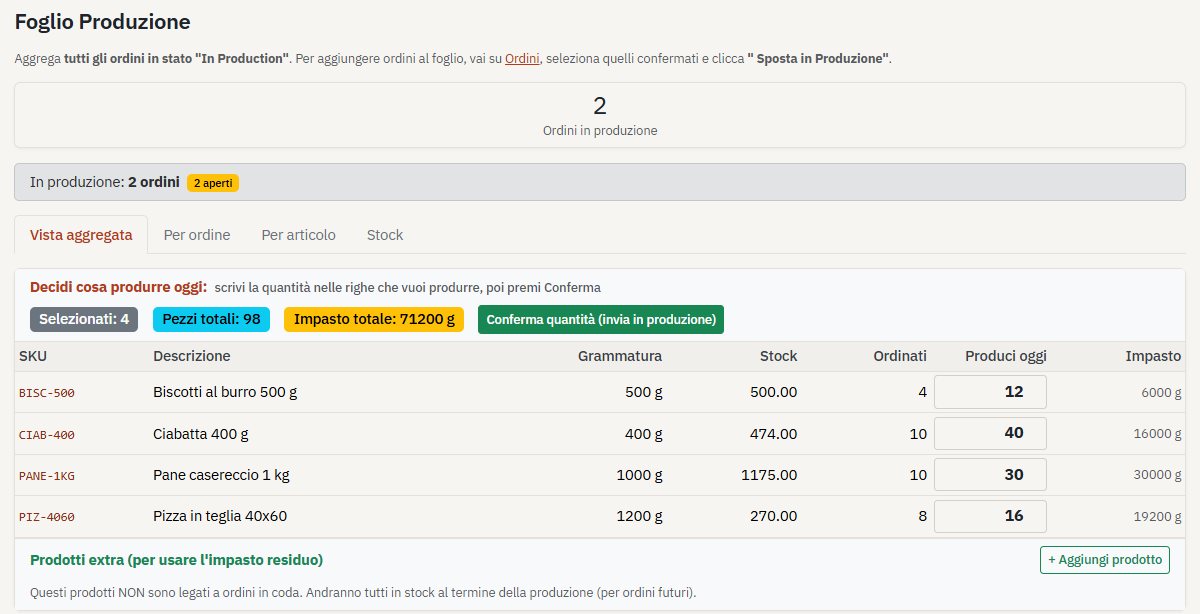
None of this needs a big system at the start. A spreadsheet for batches and a simple shop page will carry you through the first season. When the orders and the batches start to pile up, software that links the shop, the orders and the stock by batch does the bookkeeping for you, and you can spend the time with the bees.