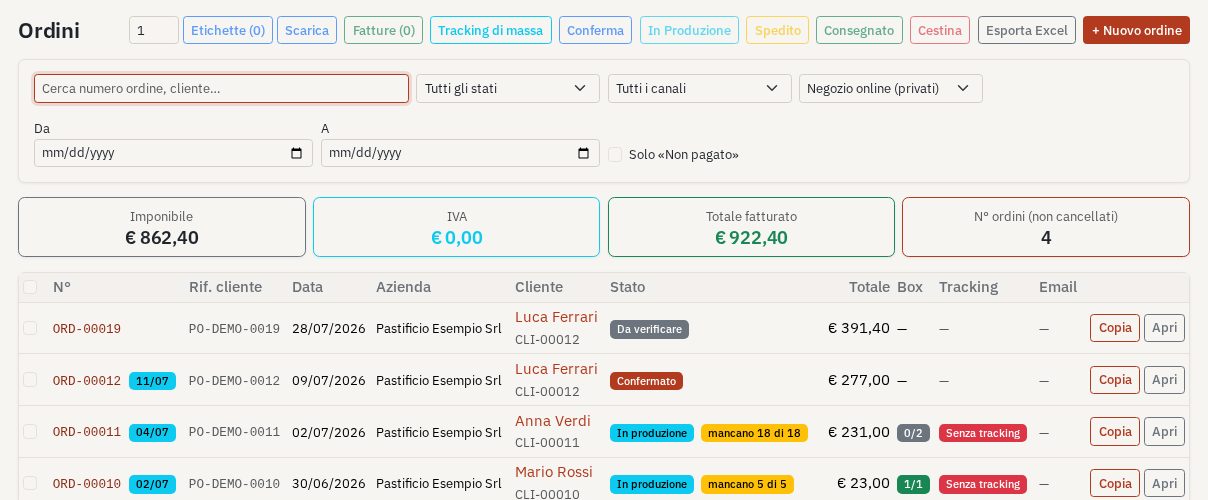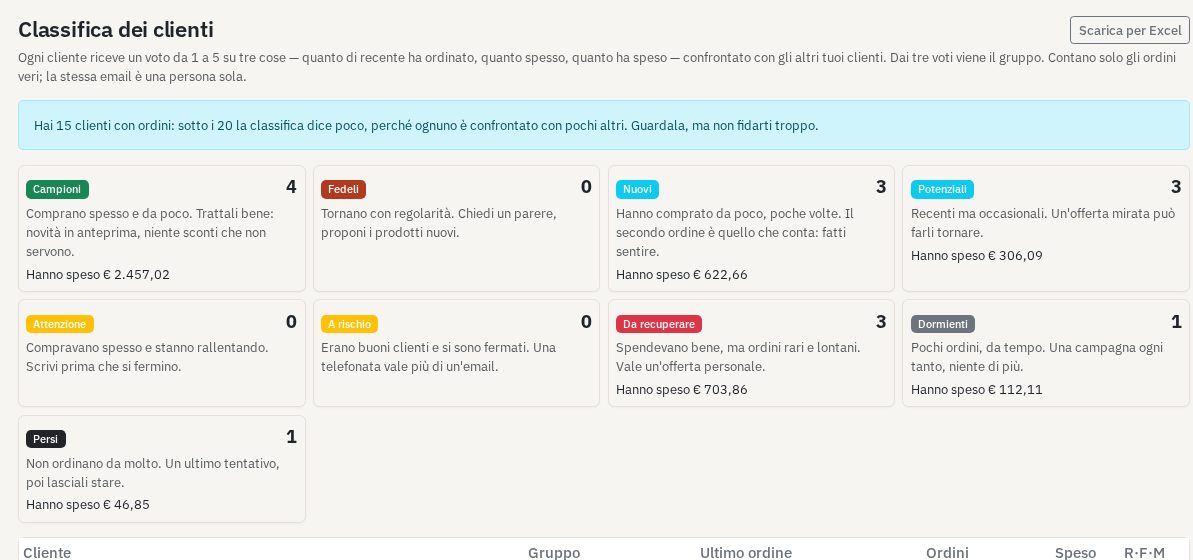

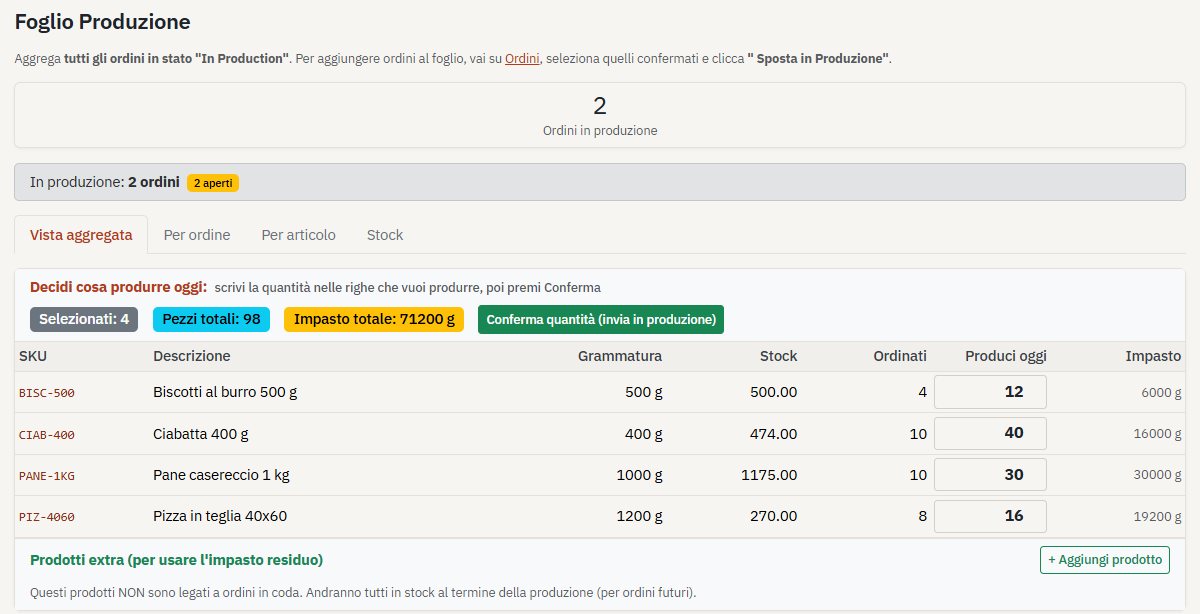
The making is the part you love. The paperwork is the part that waits on the kitchen table until Sunday evening. A shop wants an invoice with their order number on it, a cafe says the delivery was short by two boxes, and the farm shop that always pays late hasn't paid since August. None of it is hard, but it piles up.
We think most of the pain comes from doing the paperwork after the fact, from memory. If the documents come straight out of the order, at the moment the order moves, there's very little left for Sunday. This is how we would set it up. One note first: tax rules on invoices differ from country to country, so check the must-haves with your accountant once and then stop worrying about them.
1. Start every document from the order
The order is the one true record of what the customer asked for: who, what, how many, at what price, by when. If the delivery note and the invoice are both made from it, they agree with each other and with the order. If you type each one from scratch, sooner or later one of them says twelve jars and the other says ten.
So keep every trade order in one place, whether it came by email, phone or message, and give it a number. Ask the customer for their own order reference if they use one, and put it on everything. Larger shops often won't pay an invoice that doesn't quote their reference, and it's a silly reason to wait another month for your money.

2. Send a delivery note with every box
A delivery note is a simple list of what is in the box: products, quantities, batch numbers, and the order number. No prices needed. It goes in the box or with the driver, and the customer checks it when the goods arrive.
It saves arguments. When a cafe rings to say they only got four boxes, you both look at the same paper, and usually the fifth is in their back room behind the milk. If something really was missing or broken, you know exactly what to send and which batch it came from. Keep a copy, signed if you deliver yourself. A photo on your phone of the signed note is enough.
Write the batch numbers on it. It's one extra column, and if you ever need to trace a batch, the delivery notes tell you exactly who got it.
3. Invoice when the goods arrive, not at the end of the month
The longer you wait to invoice, the longer you wait to be paid. Many small producers invoice in one big batch at the end of the month, and then spend an evening trying to remember which deliveries happened. It's easier to make the invoice the day the order is delivered. The order is already there, the delivery note matches, and you only have to press print or send.
Keep the invoice clean: your details, the customer's details, the invoice number and date, the order reference, the lines, the totals and the payment terms. Say plainly when payment is due, "within 30 days" or a date, and how to pay. Vague terms get paid vaguely.
Number your invoices in one unbroken sequence and never reuse a number. If you make a mistake, issue a credit note rather than editing an invoice you've already sent. Your accountant will thank you.
4. Know who owes you and remind them kindly
Once a week, look at the list of unpaid invoices sorted by how late they are. Ten minutes on a Monday morning is enough. Most late payments aren't bad faith, the invoice got lost in someone's inbox or the person who pays is on holiday.
A friendly reminder a few days after the due date fixes most of them: the invoice attached again, the amount, and a line like "just checking this reached you". If a customer is regularly late, it's reasonable to ask for payment before the next delivery, or to set a limit on how much they can have open at once. It feels awkward the first time. It's still better than delivering to someone who owes you three months.
All of this works with a spreadsheet and a template if you are careful. When the number of trade customers grows, a system where the order becomes the delivery note and then the invoice, and shows you who hasn't paid, gives you your Sunday evenings back.