
It's Friday, half past four. The last batch of chutney is cooling, and someone has to go into the store room with a clipboard and count jars before the weekend orders come in. Twenty minutes later you have a number, and by Monday lunchtime it's wrong again because three orders went out and nobody wrote them down.
A lot of small producers live with this. The count becomes a ritual, and the stock figure is only ever true for an hour or so a week. We think there's a calmer way to do it. If you record what goes in and what goes out as it happens, the number on the screen or on the sheet stays close to what's on the shelf, and the big count turns into a short check now and then.
1. Record production in, the day you make it
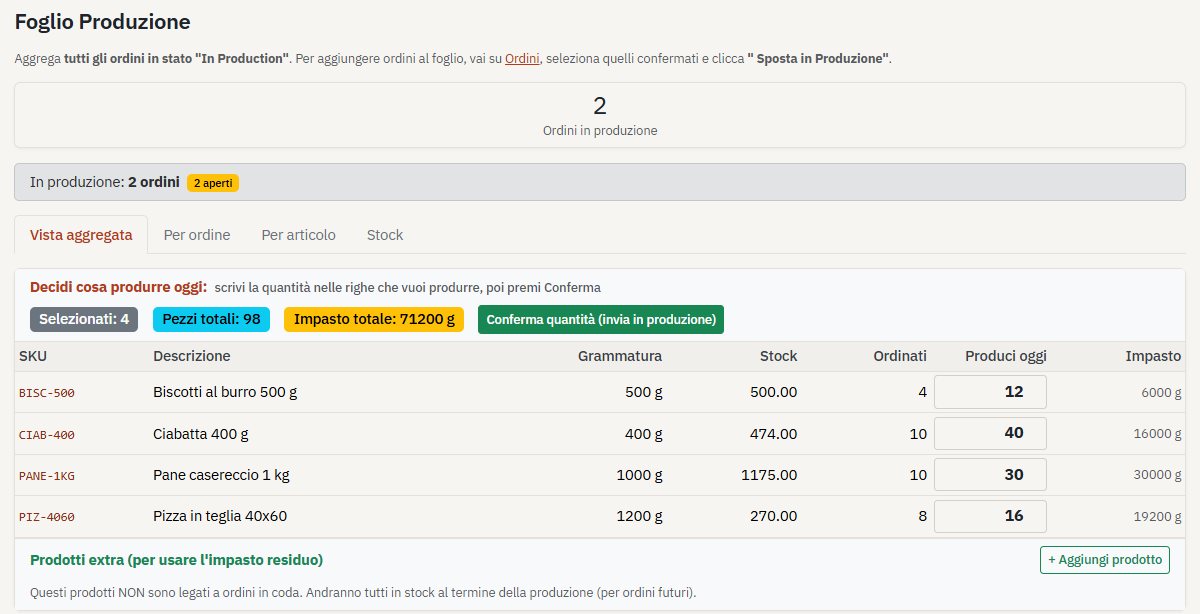
Stock starts in the kitchen or the workshop. Every time you finish a batch, write it down that day: what it is, how many units came out, the batch code and the best-before date. Not the planned amount. The real one, after you've put aside the two jars with wonky lids and the one you're keeping for tasting.
The habit matters more than the method. Some people do it on a tablet on the bench as the last jar is labelled, others keep a notebook by the door and type it up before they go home. What doesn't work is "I'll add it on Friday". By Friday you'll remember that you made the plum jam, but not whether it was 46 or 64.
The same goes for anything you buy in and resell, like the honey from a neighbour or the gift boxes. When it arrives, it goes on the list.

2. Take every order out of stock, whoever it came from
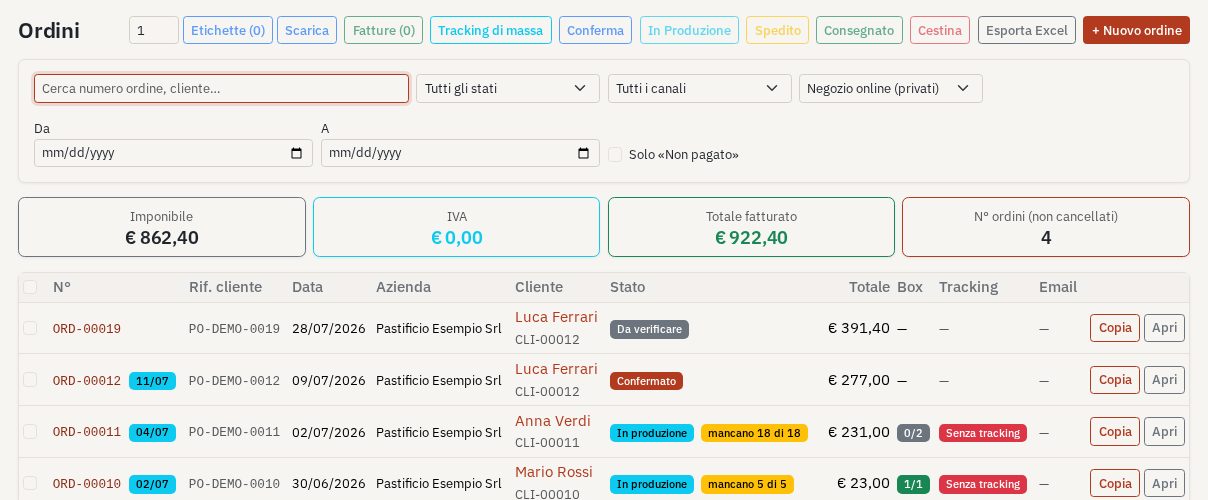
The other half is what leaves. Online orders, the deli's weekly box, the ten jars your aunt took for the church fair, the samples you handed out at the market. Each of these takes units off the shelf, and each one has to come off the count too.
The easiest way is to have every sale go through one list of orders, and to take stock off when the order is packed, not when the money arrives. If a customer cancels, the jars go back. Market days are the tricky ones: count what you load into the van in the morning and what comes back in the evening, and the difference is what you sold. It's a two minute job and saves a lot of guessing.
Breakages and tastings count as well. Write them down as "used" or "broken" so the figure doesn't slowly drift away from the truth.
3. Keep stock by batch and best-before, and ship the oldest first
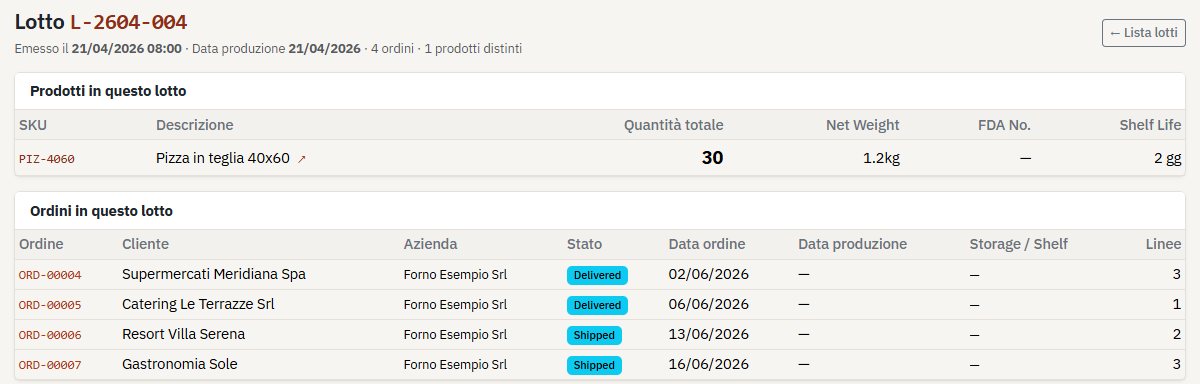
A single number for "blackberry jam, 120" hides the thing you most need to know. Are those 120 jars all from last week, or are 30 of them from March and getting close to their date? When you keep stock by batch, you can see it straight away, and you can pick the right jars when you pack.
The rule is first expiry, first out. When you pack an order, take from the batch with the nearest best-before date. In a busy week it's the front of the shelf that goes, and the front of the shelf is usually the newest batch, because that's where you put it. Putting new stock behind the old helps. Writing the batch on the packing slip helps even more, because then the record says exactly which jars went where.
Set a low stock level for each product, the point where you need to make more. For a jam you make every fortnight it might be two weeks of normal sales. When a product drops below it, that goes on next week's production plan.
Check the dates too. Once a week, look at what is due to expire in the next month or so. Those jars can go in a market bundle or a shop offer while they're still well inside their date.
4. Swap the Friday count for a short monthly spot check
Even with good habits, the figures will drift a little. A jar rolls behind the shelf, someone forgets to note the samples. So you still count, just less and smarter. Once a month, pick a handful of products, five or six, and count only those. Choose the ones that sell fastest, the expensive ones and anything that looked odd lately.
If it doesn't match, adjust the figure and spend a minute asking why. Usually it's the same cause over and over: market sales that never got recorded, or a batch logged twice. Fix the habit and the gap tends to close. Rotate the products each month so that over a season everything gets checked at least once.
None of this needs fancy tools. A notebook and a spreadsheet will do it if you stick to the routine: production in on the day, orders out when packed, stock by batch and date, the oldest out first, a short check each month. When the product list grows, software that ties orders, batches and stock together saves you doing the arithmetic by hand, and lets your Fridays be about something other than the clipboard.