
Plenty of the small producers we speak to still don't sell online. Orders arrive the way they always have: a deli emails on Monday, a regular rings midweek, and on Sunday night someone texts to ask if there's any of the smoked one left.
When things are quiet, that works. In a busy week a note gets lost, and a customer who has bought from you for years quietly tries someone else. Selling online isn't about turning into a big brand. It's about letting people order when it suits them, and not having to copy every order out of your inbox by hand. This is how we'd go about it.
1. Choose what to sell and how it gets there
Don't put everything online on day one. Start with what travels well (jars, bottles, hard cheese, dry goods) and with the things people already ask for week after week. If you can't make something in steady amounts, leave it off for now. Fresh or fragile products can stay collection-only. Ten products that are always available beat forty where half say "sold out".
Then sort out delivery, before you even look at software. When producers give up on selling online, it's usually the delivery that beat them, not the website. Decide how far you'll send things and how: courier, post, your own van, or collection at the farm or the market. Weigh a normal parcel with its packaging and ask two or three carriers for a price. A lot of producers keep it simple with one flat delivery charge, free above a certain order value. Customers get it straight away, and each parcel carries more.

2. Get your products ready and pick a shop
A good product page answers the questions people would otherwise email you. You need a daylight photo (your phone is fine), the size or weight, the price and how many you have. For food, add ingredients, allergens, storage and shelf life. Since labelling rules differ between countries, the safest bet is to copy what's already on your labels. Finish with a couple of lines about why it's yours: the farm, the recipe, the season.
When you compare shops, ignore most of the talk about design. Check three things instead. It has to work properly on a phone, because that's where most people will order. You should be able to change stock and prices yourself in a couple of minutes. And add up what it really costs each month, payment fees and extra apps included. Then ask where the orders go once they're placed. The mistake we see most often is a lovely shop that isn't connected to anything, so every order still gets typed into a spreadsheet or an invoice by hand.
3. Keep every order in one list
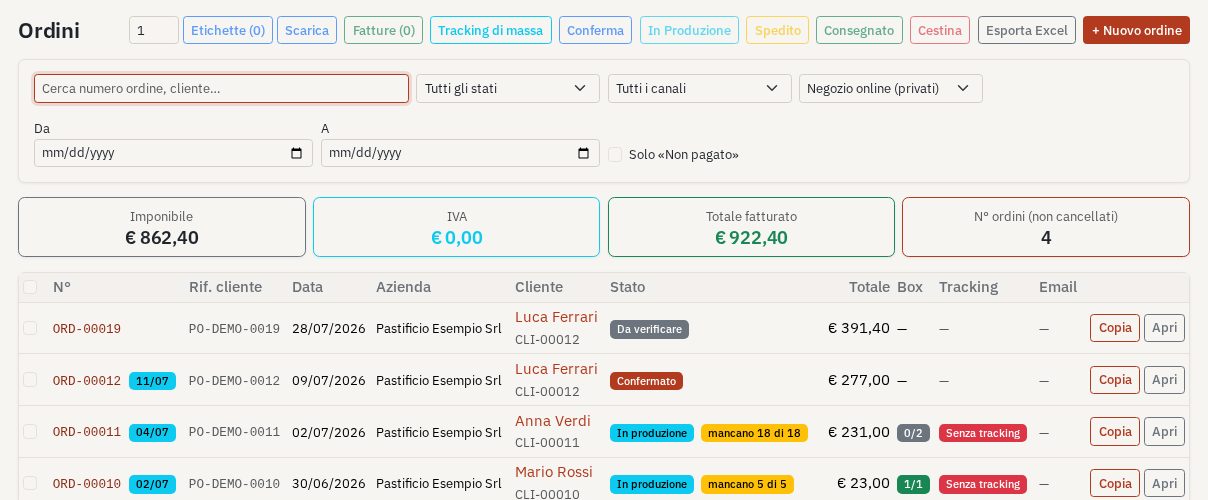
Your website won't replace your other customers. Stockists, restaurants and regulars will carry on emailing and ringing, and that's fine, as long as every order ends up in the same list whatever its source.
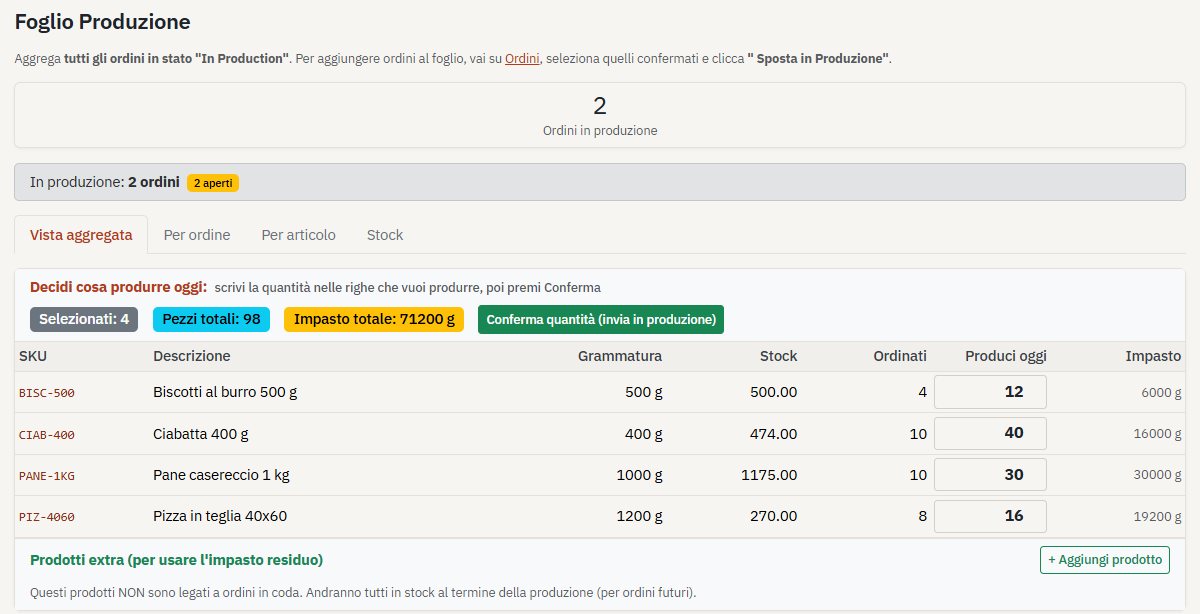
Once they're together you can see what has to be made or packed this week, and what's left in stock, so the shop never sells a jar you haven't got. You can see who has paid and who hasn't. And if you ever need to know which batch went to which customer, the answer is right there. Out of everything in this guide, this step saves the most time, yet most guides leave it out.
4. Launch to the people who already buy from you
Your first online customers will be your current ones. On launch day, send the link to your regulars and stockists. Put the web address on your labels, your market stall and your cards, and share it on your social pages with a photo of the people who make the product. After that, give it a month. Watch what sells, what people ask, and how long packing actually takes, and adjust before adding more.
From then on, repeat orders are what keep a food business going. With all your orders in one system you can spot who hasn't bought for a while and drop them a short note when a new batch or a seasonal product is ready. Only write to people who've told you they're happy to hear from you.
Done this way, selling online isn't a big project. You'll take fewer phone calls and make fewer mistakes. And people can buy from you even when you're busy in the dairy or the kitchen.